
Welcome to REAL MONEY. This is a special solo episode, and I’m so glad you’re here with me. Today, I want to explore something deeply personal: Women & Money, and the relationship we have with it.
For me, women and money have never been just about numbers or spreadsheets. Growing up with working-class roots taught me that money is inseparable from our emotions, our upbringing, and the systems that either open doors or quietly close them. That lived experience is why I’m committed to making conversations about women and money more transparent, human, and inclusive. I want to unpack the cultural narratives and inherited beliefs that have shaped how we, as women, see, manage, and relate to wealth.
In this episode, I’ll dive into how women are redefining our relationship with money—from shifting values to leaving corporate careers in pursuit of entrepreneurship and autonomy. I believe it’s time for a new financial model, one that honours both the practical and emotional realities of women and money. My invitation to you is simple: let’s reimagine what wealth truly means, so you can claim your financial story and expand your own definition of success.
The Emotional Side of Money
How Our Mindset Shapes Our Financial Reality
I’ve found that a person’s financial situation often reflects their inner beliefs about their own worth and what’s possible for them. It’s wild to think that women now control $31 trillion in assets globally, yet only 23% of us feel confident managing it. This gap shows me that our mindset, not just our math skills, is what truly drives our financial well-being.

Breaking Our Generational Money Habits
The way our families and society talk about money has a huge impact. Many of us were raised in financial systems built by and for men, which often taught us to be cautious, to doubt ourselves, or to let someone else take the lead. To break these patterns, I know we need to have honest conversations that challenge those old rules and build supportive networks for each other.
Common Influences I See Across Generations:
- A learned fear or hesitation around money.
- Growing up with little to no financial education.
- An expectation to hand over financial authority.
Managing Our Emotions in Financial Choices
Emotional awareness plays a critical role in decisions about spending, saving, and career changes. As many women leave corporate environments and start their own businesses, emotional regulation supports resilience and clarity. Freedom and independence become guiding values instead of fear or scarcity. Recognizing triggers such as stress around financial uncertainty helps align emotions with long-term goals rather than short-term reactions.
My Key Focus Areas for You:
- Identify what triggers your emotional responses to money.
- Take a pause before big financial decisions to let logic catch up with impulse.
- Lean on your community and get informed guidance to build your confidence.
Where We Stand Today with Women’s Wealth
Global Wealth Benchmarks
Women currently hold roughly one-third (33%) of the world’s total wealth, according to recent financial institute data. This marks substantial growth compared to about 15% a decade ago. While women now control approximately $31 trillion in assets, many still report not feeling financially secure.
| Indicator | Statistic | My Notes |
| Share of global wealth held by women | 33% | It’s rising, but we’re not at equality yet. |
| Total assets managed by women | $31 trillion | This number grows every year. |
| Women confident about money management | 23% | This is out of nearly 4 billion women worldwide. |
| Women who will at some point manage money independently | 70-80% | Due to longer life expectancy |
Inequality in Wealth Distribution
Most of the new wealth being transferred continues to benefit the top 5% of earners. This imbalance limits how far wealth growth reaches women outside affluent groups. Many will inherit or control wealth in the coming decade, but the distribution remains uneven, reinforcing existing disparities.
A sharp trend is visible in employment data. Over 200,000 women, including more than 300,000 women of color, have exited corporate roles in recent years. The shift is not toward withdrawal from the workforce but toward self-employment. In 2024, nearly half (49%) of all new U.S. businesses were started by women, showing a decisive move toward economic autonomy.
Confidence, Mindset, and Financial Frameworks
Confidence remains a limiting factor in women’s financial experience. Only about one in four women express certainty in handling their finances. This hesitancy often originates from longstanding male-centered financial norms that have shaped language and expectations around money.
Experts emphasize that financial growth requires not only access to resources but also a change in mindset. As women increasingly assume independent control of assets, practical education and confidence-building frameworks are becoming essential to sustain this expanding share of global wealth.
Why Women Are Leaving Corporate America
Over 200,000 women left corporate jobs in recent years. I want to be clear: we are not retreating from the workforce. We are moving toward entrepreneurship. In 2024, nearly half of all new businesses in the U.S. were started by women. We are choosing to build our own tables.
Key Drivers I Hear from Women Entrepreneurs:
- The freedom to create meaningful work.
- A preference for collaborative, not hierarchical, cultures.
- Frustration with pay gaps and not being recognized for our contributions.
The Barriers to Our Financial Resources
Even as more of us start businesses, getting access to capital is still a struggle. I see firsthand how investor bias, the echoes of past income gaps, and a lack of targeted financial education hold female founders back. We have to keep pushing for fair access to funding to sustain this incredible momentum.
Rethinking Financial Guidance
So much of the traditional financial advice out there feels outdated. It’s all about restriction and control, which doesn’t leave room for our personal values or life changes. These rigid frameworks just don’t align with our realities.
Limitations I See in Conventional Advice:
- Fixed budgets that ignore the emotional side of spending.
- A “cut expenses” mindset that preaches scarcity instead of growth.
- Generic advice that doesn’t fit the diverse ways women earn and live.
Shifting Toward a New Financial Paradigm
I like to think of it as masculine vs. feminine approaches to money. The old “masculine” model is about control and competition. The “feminine” approach, which I champion, is about connection, empathy, and collective growth. We are building businesses and financial systems that reflect our values systems built on collaboration and purpose.
| Framework | Focus | My Preferred Values |
| Masculine | Control and performance | Independence, hierarchy |
| Feminine | Connection and purpose | Collaboration, balance |
The Future of Our Financial Growth
We control a growing share of global wealth, but that gap in confidence is real. For me, the key is creating emotional security in our financial decisions. We are redefining wealth to include our well-being and our community’s growth, moving beyond just numbers in an account.
Key Motivators I See in Our Spending:
- A desire for greater autonomy and personal control.
- A focus on ethical and community-centered business.
- Less reliance on traditional corporate structures.
As we continue to reshape the financial world, we’re creating a new story one that weaves together confidence, purpose, and shared prosperity. Thank you for joining me on this solo episode of Real Money, where we explore how we aren’t just navigating the financial world, but truly transforming it.
ABOUT LISA CHASTAIN:
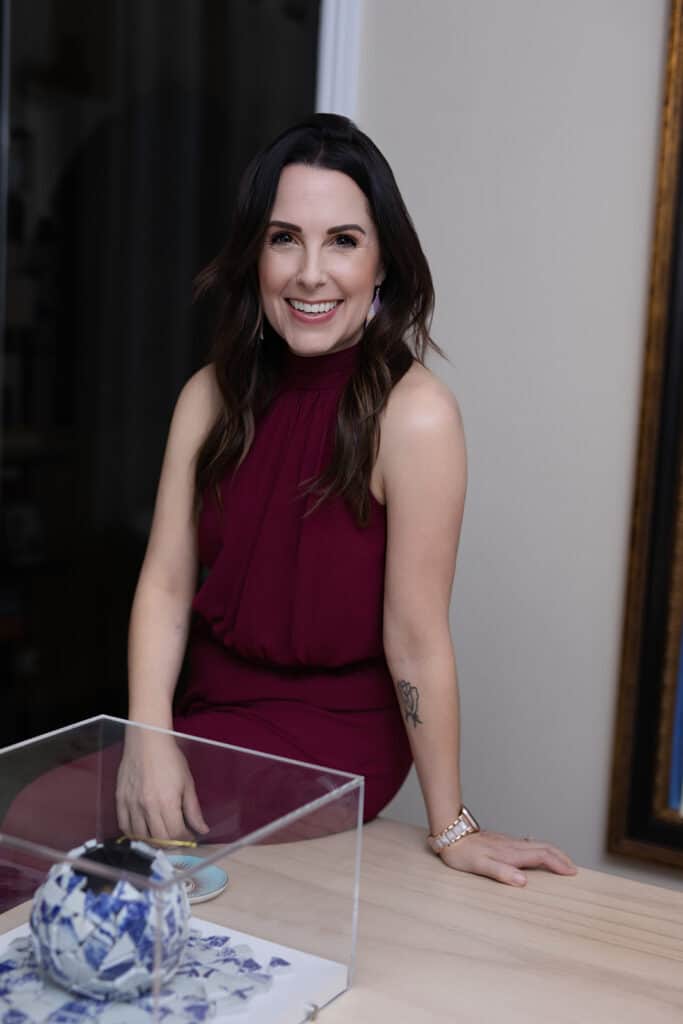
Lisa uses many tools that she used throughout her money journey and invites you to try them as well. As a first step, she recommends reading her book, Girl, Get Your $hit Together in which she helps women tackle their financial story and shares her entire story. After reading the book, she invites listeners to join the Stop Budgeting System– the very method she used to gain financial freedom and clarity.
ABOUT MY NEW BOOK:
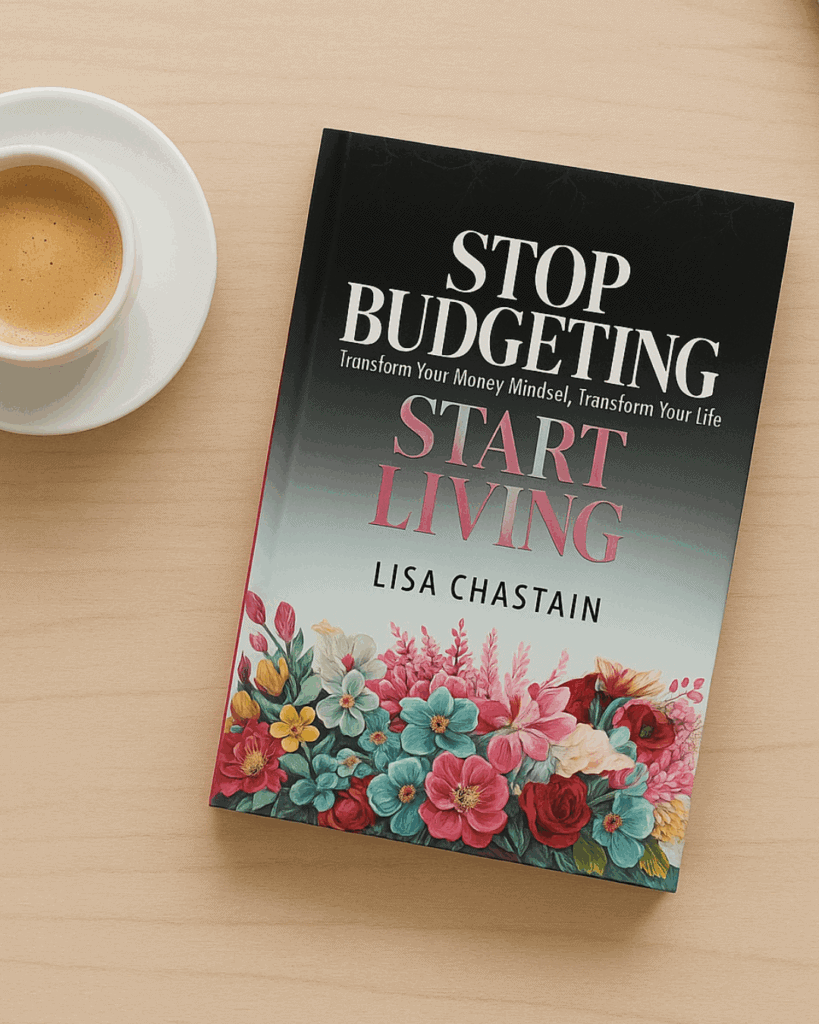
I’m beyond excited to share that Stop Budgeting Start Living is officially here! This book is the culmination of years of working with women who are ready to rewrite their money stories and step into financial confidence.
Inside, you’ll find strategies to uncover the roots of your money mindset, break free from limiting financial patterns, and create a new path toward wealth and independence.
This release feels especially powerful as we honor the progress women have made financially—and the bold steps we’re still taking together. I can’t wait for you to dive in, apply these tools, and start building the financial future you deserve.
Your journey to living fully, without the weight of restrictive budgeting, starts now.