
Traditional roles often shape the lives of women in small towns and rural communities, influencing how they see money, relationships, and even themselves. In my work with women seeking greater depth, clarity, and choice, I witness how personal growth frequently collides with long-held expectations—tensions that are rarely named out loud.
Money, I’ve learned, is emotional long before it becomes practical. As women begin reconnecting with themselves, they naturally start questioning inherited roles, partnership dynamics, and definitions of success shaped by where they live, not where they are told they should aspire to be.
In this episode of REAL MONEY, I sit down with the incredible Emily Reuschel to explore how women in rural communities are challenging traditional roles and stepping into lives rooted in intention, self-trust, and choice. Emily offers deep insight into the unique pressures women face in small towns—especially around money, relationships, and identity—and how growth can feel disruptive in close-knit environments.
Together, we unpack the emotional layers of money, the tension between self-trust and societal expectations, and the courage it takes to live intentionally within community. Emily shares how women are rewriting their money stories, building confidence through self-awareness, and redefining success on their own terms—while staying grounded in connection and belonging.
Exploring How Inner Development Shows Up for Women in Rural Places
Barriers Women Face in Small and Rural Communities
In many small towns, there’s an invisible script for how women should live. It covers everything from work and marriage to motherhood and how much ambition is acceptable to show. While these rules are rarely stated plainly, they shape daily decisions and create a quiet but constant pressure to conform.
I hear the same fears repeated in private conversations with clients. They worry that seeking more awareness, income, or purpose will disrupt the delicate balance of their marriages, families, or standing in the community. This fear is amplified in places where everyone knows each other, and judgment can feel inescapable.
Common pressures I see include:
- Fear of earning more than a partner
- Anxiety about “outgrowing” relationships
- Concern about community judgment
- Internal conflict about staying versus leaving
Many of these women aren’t chasing a fast-paced city life. They want meaning and purpose, and they are no longer willing to live on autopilot. But the journey toward self-awareness is rarely smooth.
Shifts in Identity and Self-Understanding
As a woman’s self-awareness grows, discomfort almost always follows. It becomes harder to accept relationships, jobs, or expectations that no longer fit. This friction is a sign of growth, not a sign that something is wrong. Continuing a shared life with a partner or community while undergoing this internal shift requires a willingness to sit with that discomfort rather than run from it.
One of the most common fears I hear is, “I’m scared I’ll outgrow my partner.” As a woman becomes more purpose-driven, her growth can create tension at home, especially if her partner isn’t on a similar path. The relationship can become strained by unspoken expectations, turning what was once a partnership into a series of emotional compromises. Thriving relationships require a shared willingness to adapt and grow, even if the paths aren’t identical.
This internal work also forces a re-evaluation of our relationship with money. For many women I work with, the block isn’t a lack of skill or opportunity; it’s a fear tied to who they are “supposed” to be. The thought, “If I earned more, my relationship might not survive,” reveals how deeply financial independence is tied to identity, partnership, and self-worth.
Unpacking Generational and Cultural Programming
What looks like a confidence issue often traces back to deeper systems. Many of us were taught to disconnect from our own needs and defer to external authority, whether it comes from family, religion, or cultural norms. These patriarchal structures and generational patterns can erode self-trust, leading us to default to expectations handed down over a lifetime.
When a woman doesn’t fully know or trust herself, she outsources her decisions. But reconnecting with her own inner authority changes everything. As she begins to trust her own judgment, she stops waiting for permission to pursue her goals. This shift can feel threatening to those around her, particularly partners who were never encouraged to develop the same level of self-awareness.
Since 2020, I’ve seen an accelerated unraveling of these old narratives. Women are questioning everything: gender roles, hustle culture, and traditional power structures. They are recognizing that the old scripts are no longer working, and they are choosing to write new ones, even when it feels risky.
The Role of Money in Personal Autonomy
Changing Inherited Financial Narratives
I watch women question stories they absorbed from family, religion, politics, and community norms. Those stories taught compliance, not choice, and they still shape how money feels in daily life.
When women begin to rewrite those narratives, they start to:
- Question roles assigned by default
- Notice generational patterns driving financial decisions
- Choose discomfort instead of staying disconnected from themselves
Financial Agency and Personal Value
Money connects directly to how much women trust themselves. When self-trust breaks, external rules start defining worth, success, and safety.
I hear this clearly when women say things like:
- “If I trusted myself fully, my life would have to change.”
- “If I earned more, my relationship might not survive.”
That tension reveals how financial independence challenges long-held ideas about identity, partnership, and self-worth, especially in rural and small-town environments.
Healing, Self-Discovery, and Sustainable Change
Choosing Discomfort as a Path to Growth
I see this most clearly with women in small towns who feel themselves changing while their relationships stay the same. If I want to keep building a life with someone while I evolve, I have to sit inside discomfort instead of avoiding it. Growth requires that willingness, especially during deep shifts in identity, purpose, and self-trust.
Many women tell me they fear outgrowing their partners or disrupting the balance at home. That fear makes sense in communities with strong expectations, but ignoring it keeps us stuck. Discomfort becomes part of staying honest with myself and with the people I love.
Practices That Support Personal Repair and Reconnection
The core issue I see again and again is disconnection from self. When women don’t know, love, or trust themselves, confidence erodes and outside voices take over.
What I focus on with clients includes:
- Rebuilding self-trust through conscious decision-making
- Questioning inherited expectations from family, religion, and politics
- Noticing emotional patterns around money, work, and worth
Money shows this clearly because it is emotional before it is practical. When I address the emotional layer, real change becomes possible in every other area of life.
Redefining Success and Building a Legacy
For many women in rural areas, entrepreneurship has become a powerful path to reclaiming their purpose. Building something of their own allows them to reconnect with their skills and lead in a way that feels authentic, rather than chasing a corporate ladder that was never built for them. Their businesses often become community anchors, creating spaces for honest conversations about money, identity, and leadership.
This journey is not meant to be walked alone. Feeling isolated during a period of intense personal growth is common, but connection makes the discomfort survivable. By finding other women who are navigating similar tensions, it’s possible to replace the old patterns of comparison and rivalry with mutual support and collective progress. We need spaces where we can openly question our roles and choices without fear of punishment.
Ultimately, this work is about moving from obligation to choice. It requires releasing the shame of wanting more than your environment seems to allow and stepping into leadership in your own life first. It shows up in your financial decisions, your relationships, and your courage to question the status quo.
Living intentionally means owning your choices instead of inheriting them. It’s about redefining what leadership, money, and fulfillment look like from the inside out, creating a legacy rooted in self-trust and love rather than fear.
Conclusion and Call to Action
I see women in small towns and rural places waking up to a deeper sense of purpose while carrying real fear about what that growth might change at home, at work, and in their communities. I choose to name that tension instead of avoiding it, because growth requires a willingness to sit with discomfort.
Money, identity, relationships, and leadership connect more than we admit. When I work with women, the common thread is a loss of self-trust shaped by expectations around being a good wife, mother, employee, and community member.
This work asks for action, not perfection. I invite women to step into leadership in their own lives by reconnecting with themselves first.
- Question inherited roles without waiting for permission
- Build awareness of generational and cultural patterns
- Practice honest conversations about money and power
- Stay present when growth creates friction in relationships
I will keep creating spaces where women rise together, especially in places where these conversations feel risky. If this resonates, the next step is choosing yourself deliberately, not by default.
Key Takeaways
- Personal growth can challenge small‑town expectations without rejecting community.
- Money decisions shape autonomy, relationships, and self‑trust.
- Honest conversations help women lead their lives with intention.
ABOUT LISA CHASTAIN:
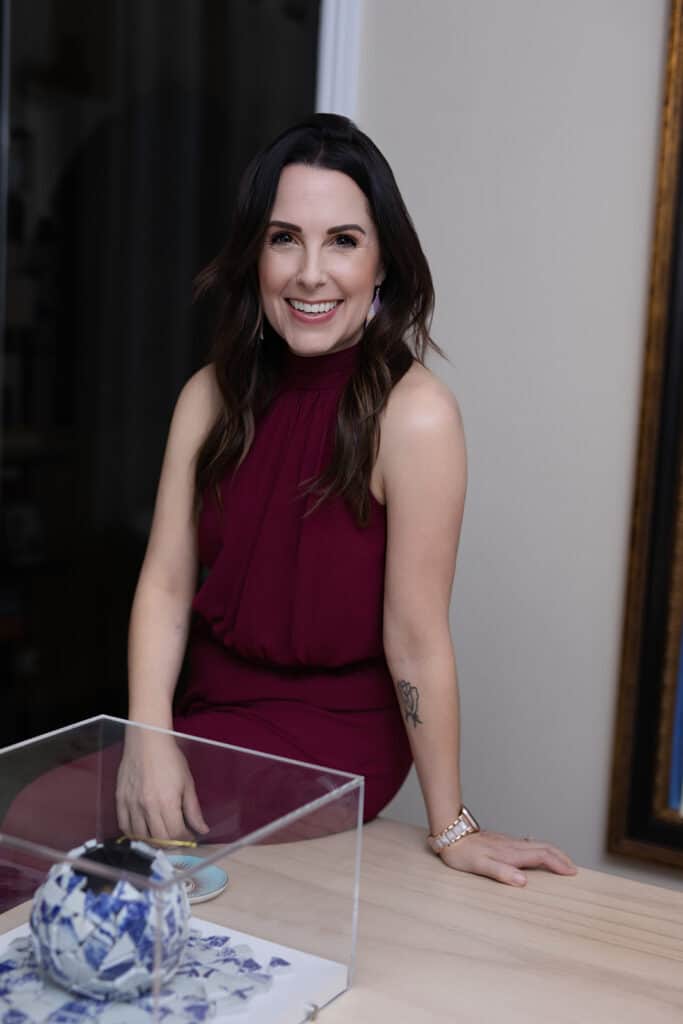
Lisa uses many tools that she used throughout her money journey and invites you to try them as well. As a first step, she recommends reading her book, Girl, Get Your $hit Together in which she helps women tackle their financial story and shares her entire story. After reading the book, she invites listeners to join the Stop Budgeting System– the very method she used to gain financial freedom and clarity.
ABOUT MY NEW BOOK:
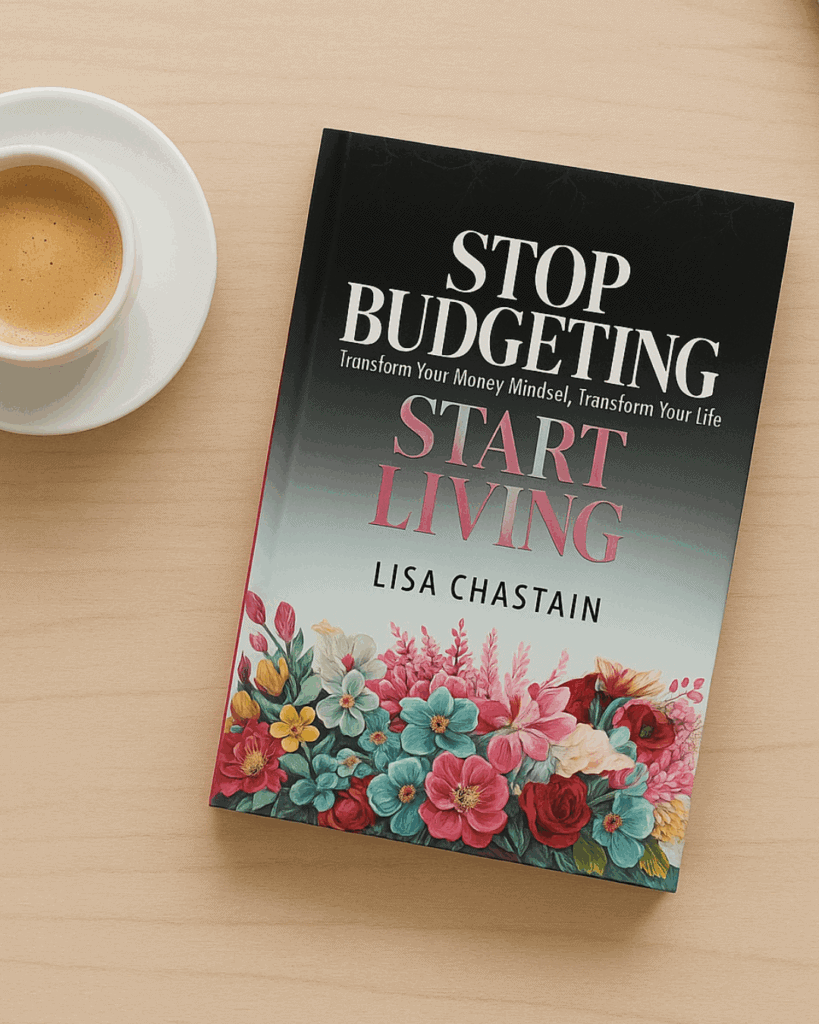
I’m beyond excited to share that Stop Budgeting Start Living is officially here! This book is the culmination of years of working with women who are ready to rewrite their money stories and step into financial confidence.
Inside, you’ll find strategies to uncover the roots of your money mindset, break free from limiting financial patterns, and create a new path toward wealth and independence.
This release feels especially powerful as we honor the progress women have made financially—and the bold steps we’re still taking together. I can’t wait for you to dive in, apply these tools, and start building the financial future you deserve.
Your journey to living fully, without the weight of restrictive budgeting, starts now.