
Money shapes how people interact, especially when they come from different financial backgrounds. From dreamers to savers, clashing money types can either destroy or strengthen relationships. When two individuals with contrasting money habits join in marriage, business, or family, conflicts often arise. These tensions go beyond just handling money—they stem from deeper differences in financial mindsets that influence how people approach spending, saving, and planning.
People tend to assume others handle money the same way they do, but various money personalities influence financial choices. Understanding these differences helps explain why some couples and partners struggle with money despite shared goals. Recognizing these patterns invites new ways to communicate and manage finances effectively.
Money personalities represent the unique ways individuals think about and interact with money, shaping their financial decisions and relationships. These distinct approaches often lead to misunderstandings, as people tend to assume others share their financial perspectives. However, money personalities reveal that this is rarely the case, highlighting the diversity in how people view and handle finances.
There are five common money personality types, each with its own defining traits:
- The Dreamer focuses on possibilities and big-picture goals, often prioritizing vision over immediate details.
- The Saver values caution, thorough research, and financial security, making careful and calculated decisions.
- The Giver finds fulfilment in generosity and helping others, often prioritizing the needs of those around them.
- The Spender associates money with freedom and abundance, embracing spending as a way to enjoy life and create experiences.
- The Avoider tends to shy away from financial decisions, often ignoring or postponing money-related responsibilities.
Each of these personalities carries unique beliefs and behaviours that influence how individuals manage their finances and interact with others in financial contexts.
Financial Personality Interactions in Relationships
Typical Matches among Financial Types
People often pair up with financial personalities unlike their own. For example, spenders frequently attract savers, and vice versa. Spenders find joy in using money to experience freedom, while savers prioritize careful planning and security. These pairings create natural tension but also opportunities for balance.
| Financial Type | Key Traits | Common Partner Type |
| Spender | Values freedom, enjoys spending | Saver |
| Saver | Analyzes, saves, cautious | Spender |
| Dreamer | Focuses on goals and vision | Giver or Avoider |
| Giver | Wants to share and help | Avoider or Dreamer |
| Avoider | Tends to ignore finances | Giver or Dreamer |
Contrasting Views on Wealth: Abundance vs. Scarcity
Some individuals grow up in abundance where money is seen as plentiful. They feel confident about earning and spending freely. Others are shaped by scarcity, living with constant worry about limited resources. These early experiences shape how people handle finances and perceive risk.
Abundance-minded people believe money flows and will return. Scarcity-minded individuals often expect shortages and try to conserve. When these mindsets come together, conflict arises unless both understand these differences.
Effects of Opposing Financial Preferences
Savers and spenders hold fundamentally different values: savers prioritize safety and preparation, while spenders emphasize freedom and flexibility. These contrasting priorities often lead to conflict. Savers want to manage or control spending, which can frustrate spenders who see this as restricting their way of life.
Opposite money habits can lead to misunderstandings in relationships. For instance, savers may struggle with spenders’ impulsiveness, while spenders feel restricted by savers’ caution. Budgets imposed by one partner on another often intensify fights instead of solving problems. To bridge gaps, partners must communicate openly. Spenders can help by checking in on savers’ comfort before purchases. Savers can support by allowing flexibility and trusting shared financial goals. Tools like financial forecasting help both sides see impacts before decisions are made, reducing anxiety and tension.
Saver and Spender Relationship Challenges
Common Patterns of Those Who Save
Savers often come from backgrounds marked by financial scarcity. Their mindset revolves around not having enough, which shapes their cautious approach to money. They tend to spend time researching and analysing financial choices before acting, seeking security through control and planning.
Common Traits of Those Who Spend
Spenders usually have a mindset rooted in abundance and freedom. They find joy in using money and associate spending with movement and vitality. For spenders, limiting purchases is often not an option, and they believe they can always create more income when needed.
Limitations of Traditional Budgets
Introducing a strict budget often exacerbates tensions rather than resolving them. Budgets may feel constraining to spenders and controlling to savers, increasing anxiety on both sides. Instead, focusing on shared financial forecasting and open communication better accommodates these differing styles.
Effective Communication and Solutions for Couples
- Recognizing Each Other’s Financial Sensitivities: Couples often have contrasting emotional responses to money shaped by their past experiences. One partner might feel anxious about spending due to a history of scarcity, while the other sees spending as a symbol of freedom. Understanding these differences helps reduce conflict by acknowledging that each person’s reactions are rooted in their unique financial mindset.
- Key Questions to Encourage Meaningful Conversations: Asking thoughtful questions can create space for openness and respect. Questions like, “How does this purchase make you feel?” or “What information do you need before we decide?” invite partners to express their concerns and priorities. This approach helps slow down impulsive decisions and fosters mutual understanding.
- Using Financial Projections to Build Trust: Forecasting future expenses and income together provides transparency about the financial impact of decisions. When both partners can see how money choices affect their shared goals, it smooths tensions. This method moves the focus away from control toward cooperation by planning ahead rather than reacting.
- Creating New Ways to Discuss Money: Traditional budgeting often triggers resistance between partners with different financial attitudes. Instead, starting fresh conversations about values, fears, and goals sets a better foundation. When couples commit to ongoing dialogue shaped by respect and curiosity, they build healthier financial habits that honor both perspectives.
Money Personalities in Business Partnerships
Creating Teams with Complementary Money Views
Business partners often bring differing financial outlooks shaped by their personal money personalities. When these contrasts combine, it can lead to stronger decision-making if their approaches balance each other. A team made up of varied money mindsets benefits from diverse strengths rather than everyone thinking alike.
Risks of Uniform Thinking in Partnerships
When all partners share the same financial habits and attitudes, it can limit perspective and lead to groupthink. This uniformity hides potential blind spots and can prevent critical evaluation of business choices. Having similar money personalities can cause partners to miss important risks or alternative strategies.
Managing Conflicting Priorities between Growth and Savings
In partnerships, conflicts frequently arise between those who prioritize reinvesting profits back into the business and those who focus on accumulating cash reserves. These opposing priorities reflect deeper financial values and can cause tension if not addressed. Clear financial forecasting and open communication help partners understand each other’s perspectives and find common ground.
Unlock Your Financial Potential: 5 Transformative Steps for Self-Discovery
- Discover Your Financial Character: Understanding your financial habits starts by identifying your unique money personality. Taking a dedicated quiz can reveal whether you are a dreamer, saver, giver, spender, or avoider. This insight helps clarify why you make certain money choices and how these patterns affect your relationships.
- Acknowledge Financial Mindsets Rooted in Upbringing: Explore how childhood experiences shape financial attitudes, such as abundance vs. scarcity mindsets, and use this awareness to foster empathy in relationships.
- Communicate Openly about Financial Goals and Fears: Create a safe space for honest conversations about money. Use thoughtful questions like, “What does this purchase mean to you?” to build trust and mutual understanding.
- Delve Into Additional Learning Tools: Beyond discovering your money personality, expanding your knowledge through courses or workshops can improve how you handle finances. Learning skills like financial forecasting enables better planning and reduces conflict in partnerships.
- Create Flexible Financial Plans, Not Rigid Budgets: Structured programs often offer practical strategies to apply your insights and create harmony between different financial mindsets. Exploring these options adds depth to your self-awareness and equips you with tools for more effective money management.
ABOUT LISA CHASTAIN:

Lisa uses many tools that she used throughout her money journey and invites you to try them as well. As a first step, she recommends reading her book, Girl, Get Your $hit Together in which she helps women tackle their financial story and shares her entire story. After reading the book, she invites listeners to join the Stop Budgeting System– the very method she used to gain financial freedom and clarity.
ABOUT MY NEW BOOK:
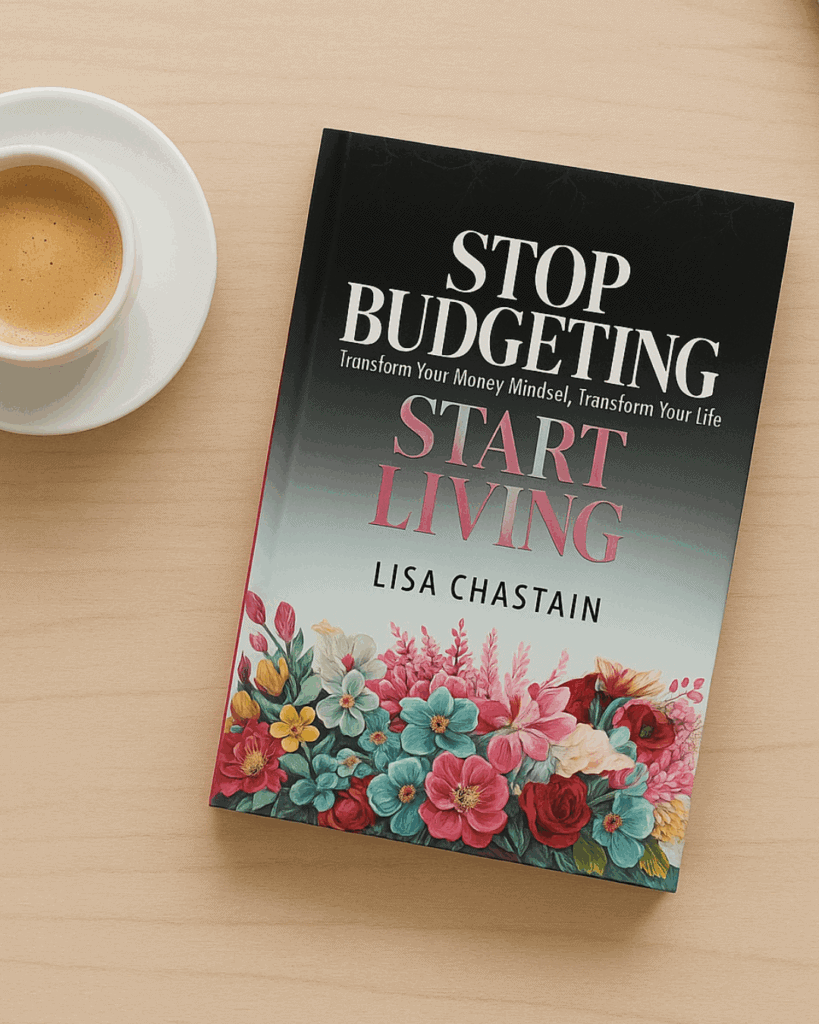
I’m beyond excited to share that Stop Budgeting Start Living is officially here! This book is the culmination of years of working with women who are ready to rewrite their money stories and step into financial confidence.
Inside, you’ll find strategies to uncover the roots of your money mindset, break free from limiting financial patterns, and create a new path toward wealth and independence.
This release feels especially powerful as we honor the progress women have made financially—and the bold steps we’re still taking together. I can’t wait for you to dive in, apply these tools, and start building the financial future you deserve.
Your journey to living fully, without the weight of restrictive budgeting, starts now.