
This holiday season, I’m choosing a different path with holiday spending—less pressure, more purpose, and real financial peace of mind. Instead of letting unconscious emotions drive my choices, I’m focusing on what truly matters: relationships, time, and meaningful experiences. By clarifying my values, setting boundaries, and planning intentionally, I’m aligning my holiday spending with both joy and long-term financial goals.
Key Takeaways
- Prioritize meaningful experiences and relationships over impulsive purchases.
- Clarify personal values and communicate boundaries early.
- Plan intentionally to align spending with joy and financial goals.
Redefining Holiday Happiness
The Neuroscience of Festive Spending
Research shows that 95% of our decisions are driven by emotion, especially during the holidays. While the brain often prioritizes feelings over logic, studies reveal that experiences and social connections bring more lasting happiness than material purchases. By shifting from reflexive spending to deliberate choices, I can focus on what truly matters.
Choosing Moments Over Things
Shared experiences form the heart of holiday meaning. I’ll list the people and values that matter most, then allocate my time and resources accordingly. Traditions that no longer bring joy? I’ll let them go. Simple steps like writing down priorities and planning low-cost memory-making ideas help me stay intentional.
Cultivating Emotional Wealth
Emotional wealth comes from clarity about values, boundaries, and expectations. I’ll reflect on what I want to create now versus what I’m trying to recreate from the past. Honest conversations with loved ones will ensure our plans align, while practices like presence and low-cost experiences build lasting happiness.
Understanding Emotional Spending
Feeling-Based vs. Rational Choices
Most holiday purchases stem from emotions like comfort, nostalgia, or obligation. Recognizing this helps me replace self-blame with intentional decision-making. By pausing to ask, “Who am I spending for? What am I trying to achieve?” I can steer my choices toward purpose.
Spotting Automatic Spending Patterns
Triggers like family expectations or holiday memories often lead to automatic purchases. Writing down what the season means to me helps distinguish between habits and vision. Simple reflections reveal where pressure, not joy, drives my spending.
Interrupting the Overspend Loop
To avoid reactive buying, I’ll:
- Negotiate plans early with family.
- Decide which traditions truly matter.
- Ask three key questions before spending: Who is this for? What’s the purpose? Does this align with my priorities?
Clarifying Holiday Values
Pinpointing What Matters
I’ll define what the holidays mean to me—focusing on people, moments, and experiences, not price tags. By listing my top priorities and aligning them with my time and energy, I can create a season that feels meaningful.
Building an Intentional Energy Roster
I’ll create a list of people and note what matters about each relationship. For example:
| Person | What Matters to Me | Purpose (Memory / Connection / Tradition / Presence) |
| Mom | Cozy conversations | Connection |
This helps me focus on meaningful connections rather than obligations.
Separating Meaning from Duty
I’ll reflect on whether my actions come from personal meaning or obligation. Revisiting childhood memories helps me decide which traditions to keep and which to release. Honest conversations with loved ones ensure our expectations align.
Reflecting on Holiday Traditions
Reconnecting with Early Impressions
Childhood memories often shape holiday choices. By revisiting those impressions, I can see whether I’m chasing the past or crafting something new. If a tradition no longer serves me, I’ll let it go.
Judging Which Rituals Matter
I’ll focus on traditions that bring joy and release those that feel like obligations. This shift protects my emotional and financial well-being.
Releasing Routines That Drain
By prioritizing presence and low-cost experiences, I’ll reduce financial strain and create lasting happiness. Setting boundaries with family ahead of time prevents last-minute pressure.
Establishing Healthy Boundaries
Setting Clear Expectations
I’ll decide in advance what matters most and allocate my time and money accordingly. Communicating these choices early ensures no surprises for loved ones.
Managing Family Pressure
I’ll identify obligations that create tension and discuss expectations with family before plans solidify. Most people value connection over material gifts, so I’ll focus on shared moments.
Matching Choices to My Vision
By reflecting on whether my actions come from past habits or present priorities, I’ll align my spending and energy with what truly matters.
Intentional Financial Planning
Reviewing Savings and Budgeting
I’ll start by reviewing what I’ve already saved and setting clear spending limits. Simple categories like “gifts,” “travel,” and “gatherings” keep my budget visible and intentional.
Spending with Purpose
Before making a purchase, I’ll ask: Does this support a memory, strengthen a connection, or meet someone else’s expectation? Low-cost or no-cost traditions often create the most meaningful moments.
Prioritizing Relationships Over Receipts
I’ll center my plans around the people who matter most, ensuring money supports connection, not stress. Early conversations with loved ones help align our priorities.
Leading with Emotional Clarity
This season, I’ll lead with emotional clarity by:
- Defining my priorities: people, moments, and values.
- Checking my motives: past completion vs. present vision.
- Communicating early: setting expectations with family.
- Trimming traditions: keeping what brings joy, dropping what drains.
- Budgeting with intent: earmarking funds and planning free memory-making.
By aligning my spending with my values, I’ll create a holiday season that feels joyful, purposeful, and financially secure.
ABOUT LISA CHASTAIN:

Lisa uses many tools that she used throughout her money journey and invites you to try them as well. As a first step, she recommends reading her book, Girl, Get Your $hit Together in which she helps women tackle their financial story and shares her entire story. After reading the book, she invites listeners to join the Stop Budgeting System– the very method she used to gain financial freedom and clarity.
ABOUT MY NEW BOOK:
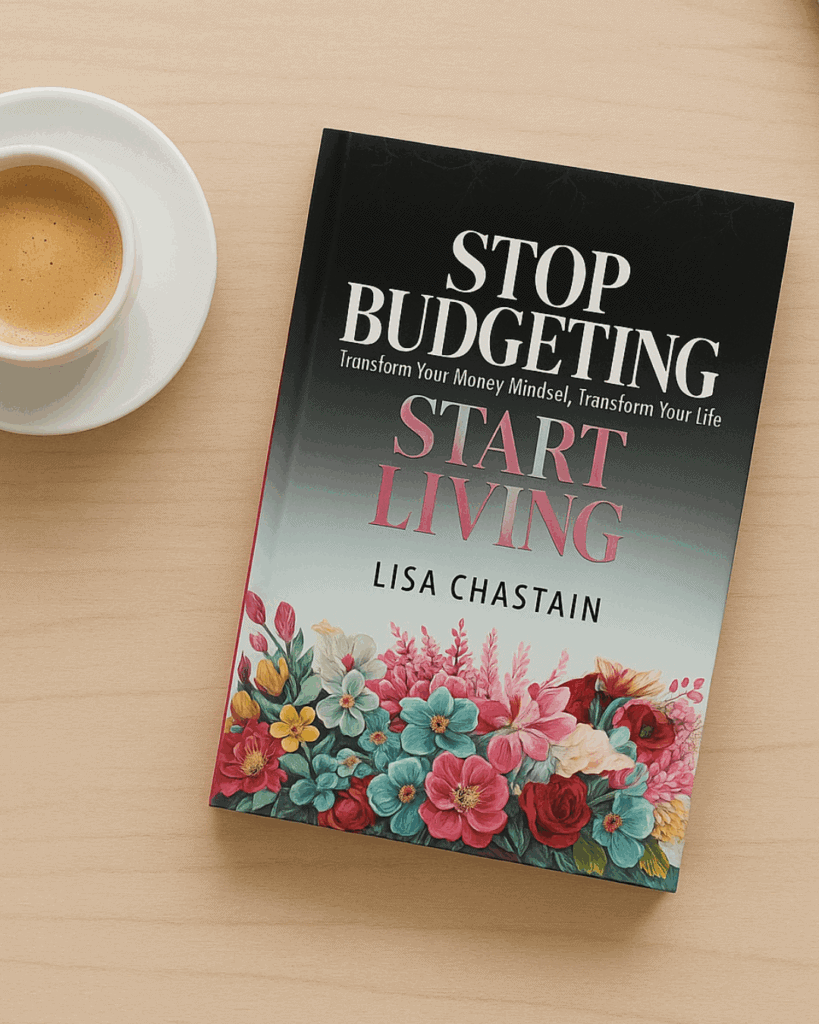
I’m beyond excited to share that Stop Budgeting Start Living is officially here! This book is the culmination of years of working with women who are ready to rewrite their money stories and step into financial confidence.
Inside, you’ll find strategies to uncover the roots of your money mindset, break free from limiting financial patterns, and create a new path toward wealth and independence.
This release feels especially powerful as we honor the progress women have made financially—and the bold steps we’re still taking together. I can’t wait for you to dive in, apply these tools, and start building the financial future you deserve.
Your journey to living fully, without the weight of restrictive budgeting, starts now.