
Community Farming is redefining how we think about success. On the Real Money podcast, we often explore how wealth isn’t just about a bigger bank account or climbing a corporate ladder. True wealth is found in building a life of purpose, meaning, and community. My recent guest, Sage Leblanc of Yellowstone Farmstead, is a powerful example of what it looks like to forge a new path and redefine what it means to live a rich life.
Sage started Yellowstone Farmstead in her early twenties, driven by a vision to repair the broken connections between food, work, and housing in rural communities. Her work is a reminder that the best life often looks nothing like the one you originally planned. Through Community Farming, she’s creating more than a food system — she’s building a place where people can truly live, work, and belong.
Sage Leblanc’s Journey to Yellowstone Farmstead
What drives a young woman to build a farm from the ground up? For Sage, it wasn’t just one thing. It was a collection of experiences that showed her a system in desperate need of change.
Foundations That Shaped Her Path
Sage’s story begins with her time at Montana State University, where she studied agricultural education. To support herself, she worked in restaurants, giving her a front-row seat to the industry’s struggles. She saw talented chefs frustrated with low-quality ingredients that travelled too far to reach their kitchens. At the same time, she watched her coworkers pool their tips just to make rent.
The problem extended beyond the kitchen. She observed how tourism was hollowing out local towns, turning essential housing into short-term rentals. The very people who kept the community running: cooks, housekeepers, and servers—were being priced out of their own neighborhoods. For Sage, these weren’t separate issues. Food, labor, and housing were all part of one interconnected problem she couldn’t ignore.
Building the Farm in Her Early Twenties
At just 23, Sage reached a turning point. She realized that the fear of waiting and doing nothing was far worse than the fear of failing. With a background in farming and experience supplying local restaurants, hospitals, and farm-to-school programs, she knew she had the skills. It was time to act. She decided to start Yellowstone Farmstead, fully aware that it might not work out. But the need was too urgent to wait for a perfect plan. Her focus was clear and direct: address the failing local food supply, create community housing, and take direct action because no one else was stepping up to fix it.
Challenging Assumptions in Agriculture
From the beginning, Sage questioned the traditional rules of farming. She challenged the standard that farm housing should be tied to full-time, demanding labor. Instead, she created a volunteer-based model built on a 15-hour weekly commitment in exchange for shared housing.
This innovative structure gives people the freedom to pursue other interests. Residents can make art, support local schools, work with chefs, and remain active participants in the wider community. It’s a system designed around how people actually live, not how an industry expects them to. When her core team suggested using farm profits to support a young person aging out of Montana’s foster care system, Sage didn’t hesitate. It was another way to build a system that puts people first.
Rethinking Established Farming Systems
Sage’s approach is a masterclass in applying generational knowledge to modern problems. She comes from a family with agricultural roots, but instead of just following tradition, she adapted those principles to meet the urgent needs of her community. By starting Yellowstone Farmstead at 23, she committed to action. She built direct supply relationships, including providing fresh food to Yellowstone National Park. Pairing food production with a volunteer-based housing model was a radical departure from conventional farm employment, and it’s a model that is proving to be incredibly effective.
Women Leading on the Land
As a woman running her own operation, Sage is breaking barriers in an industry often dominated by men. She makes decisions based on community impact and practical needs, not just on how things have always been done. Her leadership didn’t come from a desire for power; it grew from seeing critical gaps in housing, labor, and food access and deciding she had a responsibility to help fill them.
The work-trade housing model at Yellowstone Farmstead has attracted young women from all over the country. By asking for just 15 hours of work per week, Sage provides more than just a place to live. She offers an opportunity. The model includes shared housing, but more importantly, it gives residents the time and flexibility to work other jobs, pursue creative goals, and build skills without being locked into a single path. This structure empowers people to grow, contribute, and define their own success.
Innovative Community-Centered Housing Solutions
One of the most inspiring parts of Sage’s work is her solution to the local housing crisis. She didn’t just see a problem; she built an answer.
The housing at Yellowstone Farmstead is based on a simple trade: a place to live in exchange for a limited amount of farm labor. It’s not an employer-employee relationship. It’s a community of volunteers who choose to be there. With a 15-hour weekly commitment, residents have their own private bedroom and bathroom while sharing common living areas. This structure is intentionally designed to leave room for a life beyond the farm; for art, for family, and for other work in town.
Sage opened the farm to people from both inside and outside Montana, creating a diverse community of contributors. This access to housing allows them to become part of the local fabric without facing the prohibitive rental market. These residents don’t just work on the farm; they become integral to the town by supporting local schools, collaborating with chefs, and helping host farm-to-table events. Their presence strengthens local businesses and deepens community ties.
Creating Housing Pathways for Foster Youth
Sage’s commitment to community runs deep. When her core team proposed reserving a space for someone aging out of Montana’s foster care system, it was an immediate yes. They collectively decided to dedicate profits from new land development to support that individual’s transition into adulthood. This initiative provides housing, financial support, and a stable entry point into the community, reflecting the farm’s core purpose: keeping people rooted when economic pressures try to push them out.
Farm-to-Table Impact and Local Partnerships
Providing Food Directly to a National Park
Sage’s vision extends to rebuilding how food moves through a community. She is shortening supply chains and fostering powerful local connections.
One of the farm’s key partnerships is supplying food directly to Yellowstone National Park. This relationship ensures that one of our nation’s treasures is serving fresh, high-quality food, all while reducing the reliance on long-distance shipping. It’s a perfect example of Sage’s goal to keep food tied to its place and season.
Working Side by Side With Chefs and Local Kitchens
Sage’s connection to the restaurant world remains strong. She grows food specifically for local restaurants and frequently invites chefs to the farm for true farm-to-table events. This collaboration allows chefs to see exactly where their ingredients come from and helps restaurants offer better products. It also creates a space where volunteers can help host dinners, connecting them even further with the local food scene.
Supporting Schools and Food Access Programs
From the start, Sage has been involved with farm-to-school initiatives and food donation programs. She understands that food insecurity is often a systems problem, not a supply one. When she had a large harvest ready for donation, she put out a call for help. The community showed up. People worked alongside her to harvest produce, and organizations like Food Shed helped get it to the local food bank. It’s a powerful demonstration of how cooperation can reduce waste and get food to those who need it most.
5 Lessons from Sage Leblanc on Redefining Success Through Community Farming
Sage Leblanc’s journey with Yellowstone Farmstead demonstrates that success can look very different when it’s rooted in community, contribution, and courage. Here are five powerful lessons from her story:
1. Integrate People, Housing, and Education into Local Food Systems
Sage proves that sustainable food production thrives when you connect it directly with the needs of local people, provide thoughtful housing, and focus on learning for everyone involved.
2. Solve Multiple Community Challenges with a Single, Focused Mission
Community-focused farming isn’t just about what grows in the fields—it’s about improving food access, providing stable housing, and supporting local economies together.
3. Start Small, Intentional Actions Lead to Meaningful Change
Even modest steps can reshape entire systems. Sage’s willingness to act, without waiting for perfect solutions, made measurable impacts in her town.
4. Challenge Traditional Models to Build Opportunity
By questioning old assumptions and introducing a volunteer-based housing model, Sage opens doors for young women and those transitioning out of foster care, proving innovation can break barriers.
5. Measure Success by How Much You Give Back, Not Just What You Earn
Impact isn’t only about profit. Sage’s focus on reinvesting in her community through food donations, educational efforts, and support for vulnerable youth redefines what real wealth means.
Key Takeaways
- Local food systems are more effective when they integrate people, housing, and education.
- Community-focused farming can solve challenges related to food access, labor, and stability all at once.
- Small, intentional actions have the power to reshape how agriculture supports entire communities.
ABOUT LISA CHASTAIN:

Lisa uses many tools that she used throughout her money journey and invites you to try them as well. As a first step, she recommends reading her book, Girl, Get Your $hit Together in which she helps women tackle their financial story and shares her entire story. After reading the book, she invites listeners to join the Stop Budgeting System– the very method she used to gain financial freedom and clarity.
ABOUT MY NEW BOOK:
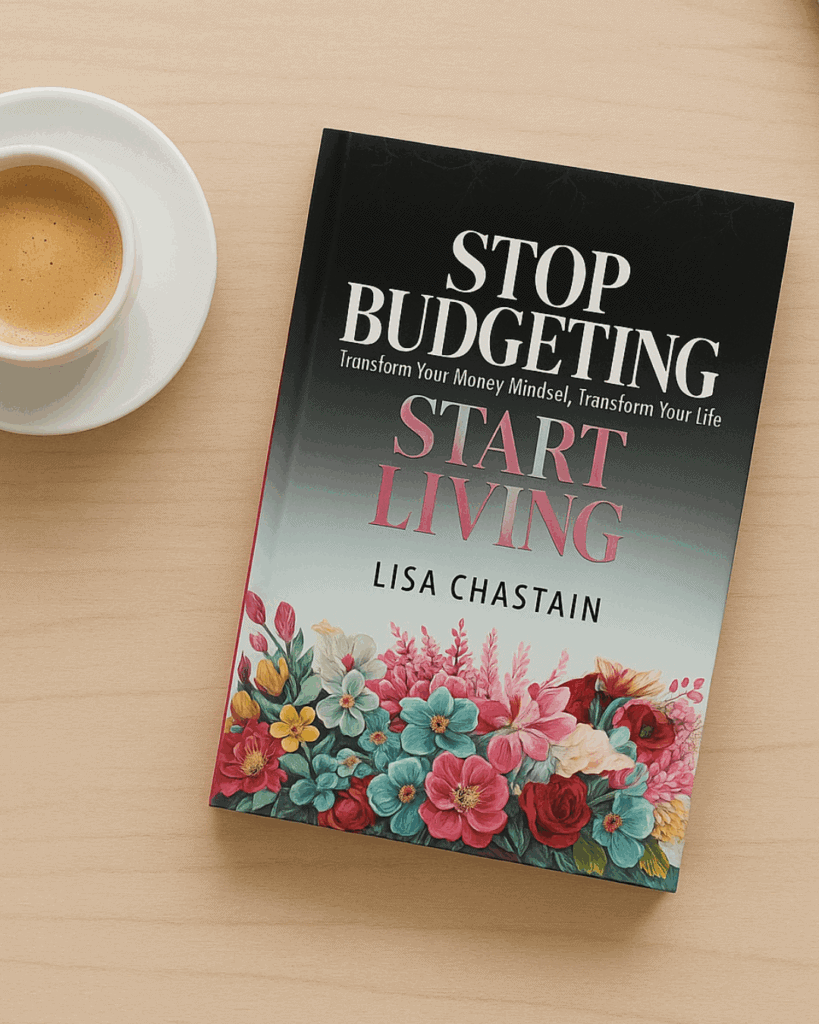
I’m beyond excited to share that Stop Budgeting Start Living is officially here! This book is the culmination of years of working with women who are ready to rewrite their money stories and step into financial confidence.
Inside, you’ll find strategies to uncover the roots of your money mindset, break free from limiting financial patterns, and create a new path toward wealth and independence.
This release feels especially powerful as we honor the progress women have made financially—and the bold steps we’re still taking together. I can’t wait for you to dive in, apply these tools, and start building the financial future you deserve.
Your journey to living fully, without the weight of restrictive budgeting, starts now.